A Hidden Corner of West Maui
Tucked between the well-known resort areas of Kāʻanapali and Kapalua lies one of West Maui’s most beloved gems: Nāpili.
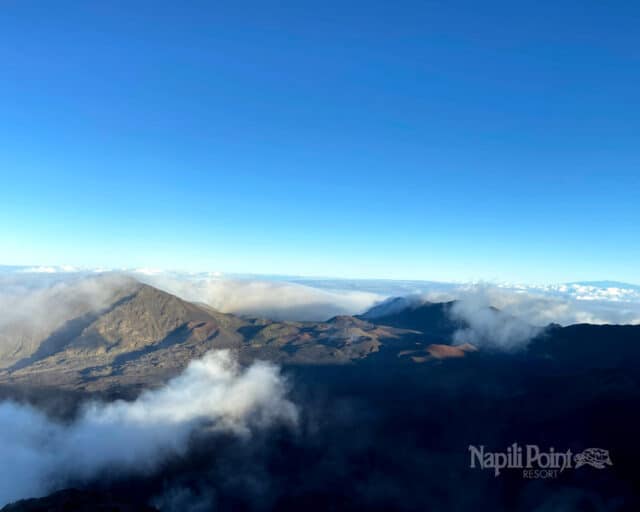
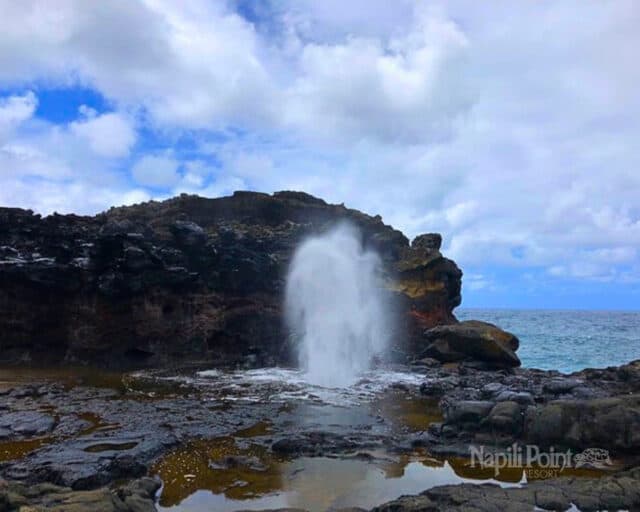
Resting along Maui’s northwestern shoreline, Nāpili is known for its rolling hills, rugged volcanic coastline, and peaceful bays. Unlike some of Maui’s larger resort destinations, the area has held onto a quieter, more residential feeling that immediately invites visitors to slow down and settle in.
Hidden from the main road and surrounded by natural beauty, Nāpili has become a favorite for travelers looking for a more relaxed Maui experience. One rooted in peace, connection, and aloha.
A Community Rich in Local Life
Nāpili is part of the larger Napili-Honokōwai community, which had a population of 7,042 according to the 2020 Census. Located within Maui’s 96761 zip code, the area has long been home to local families, workers, and small businesses that help shape the welcoming atmosphere visitors experience today.
Just north of Lāhainā, many residents have historically worked throughout West Maui while maintaining strong ties to Hawaiian culture and community traditions. Even today, the spirit of aloha feels especially present here, not as something created for tourism, but as a way of life deeply connected to the land and ocean.
Local businesses, cafés, surf shops, markets, and family-owned restaurants all contribute to the neighborhood feel that makes Nāpili stand apart from larger resort areas.
The Beauty of Nāpili Bay
At the heart of the community is Nāpili Bay, one of Maui’s most loved beach destinations.
Its crescent-shaped shoreline, soft sand, and typically calm waters make it ideal for swimming, snorkeling, paddleboarding, and family beach days. Because the area remains quieter than many neighboring destinations, the beach itself often feels more peaceful and less crowded.
Just around the corner sits Honokeana Cove, one of West Maui’s hidden snorkeling gems. Known for frequent sea turtle sightings, vibrant reef fish, coral formations, and crystal-clear water, it’s a favorite spot for both locals and returning visitors.
Golf, Sunsets, and Coastal Living
Another part of Nāpili’s charm is its close proximity to world-class activities while still maintaining its laid-back atmosphere.
Just minutes away in Kapalua are two of Maui’s most prestigious golf courses: the Kapalua Bay Course and the Plantation Course at Kapalua, both known for breathtaking ocean views and championship-level play.
Unlike the towering hotel resorts found elsewhere, Nāpili’s accommodations are intentionally lower-rise and woven naturally into the coastline. Boutique resorts, oceanfront condos, and quiet vacation homes line the shore, preserving the peaceful feeling that defines the area.
The Return of Community
One of the most meaningful symbols of Nāpili’s resilience is the reopening of the Napili Farmers Market following the devastating Lahaina wildfires.
During the months after the fires, local organizations shifted their focus toward food distribution and supporting impacted families throughout West Maui. The market’s reopening became more than simply a place to shop—it became a celebration of community, healing, and connection.
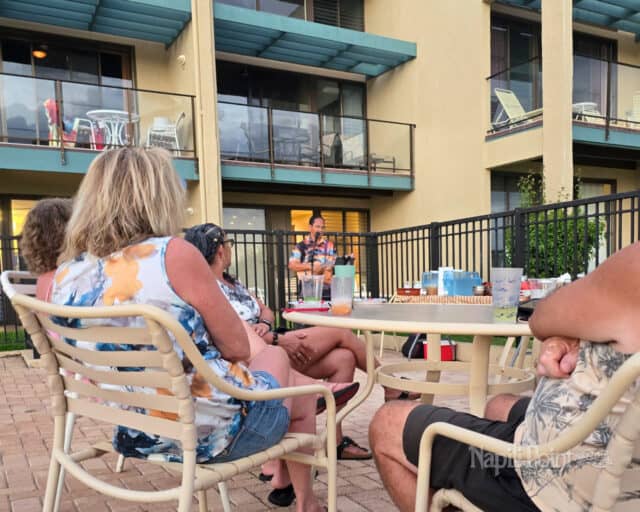
Today, visitors can once again browse fresh island produce, handmade goods, local crafts, sourdough breads, smoothie stands, and live Hawaiian music while supporting Maui farmers and small businesses.
It’s a reflection of what makes Nāpili special: people caring for one another and staying deeply rooted in the spirit of aloha.
Why So Many Visitors Return
For many travelers, Nāpili becomes more than simply a vacation destination, it becomes part of their Maui story.
At places like Napili Point Resort, guests wake up steps from the water, hear the waves from their lanai, snorkel alongside sea turtles nearby, and return each evening to peaceful sunsets along the coast. The quieter setting, oceanfront location, and welcoming on-site team create a restorative experience that feels deeply personal.
In many ways, Nāpili represents a different side of Maui. Slower. Softer. More connected.
And for those who experience it, it often feels less like discovering somewhere new, and more like coming home.